
Published: June 2026 |
Updated: June 2026 |
By: Dallas General Contractor Editorial Team
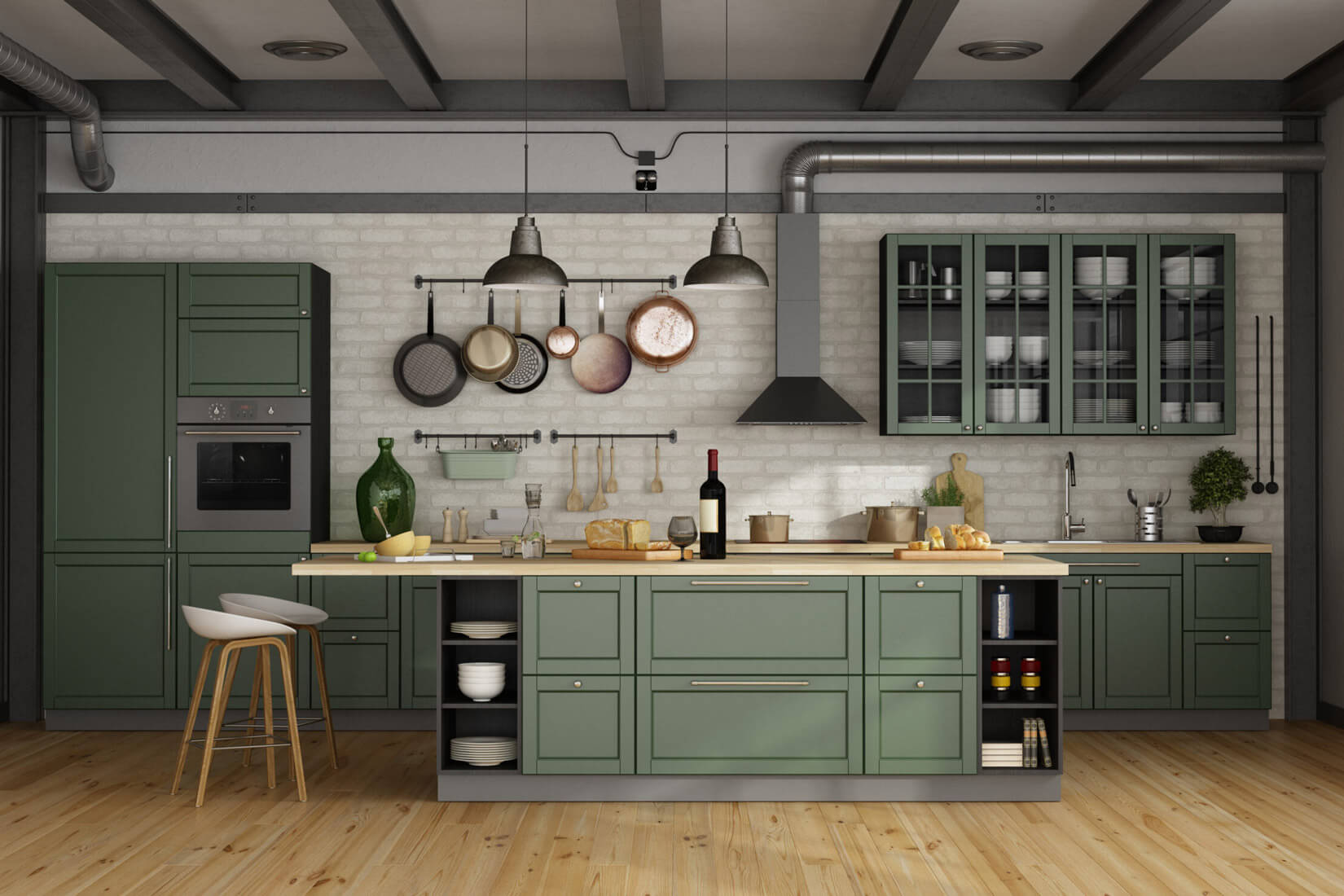
Dallas home remodeling in 2026 costs more than it did three years ago. It also takes longer to schedule and involves more regulation than most homeowners expect. That’s the honest starting point. However, it’s also one of the strongest markets in the country for return on investment — if you plan correctly, hire right, and know what your specific neighborhood demands.
This guide covers the full picture: real DFW cost ranges by project type, Dallas-specific permit requirements, and what to watch for in older homes across Oak Cliff, East Dallas, Lakewood, and the M Streets. You’ll also find out how to evaluate contractors before you sign anything. Whether you’re weighing a kitchen renovation, a room addition, or a full gut job, this is the information you need to make that decision with confidence.
We’re a referral service — not a contractor — so this guide has one job: give you the facts, without the sales pitch.
In This Guide
- 2026 DFW Remodeling Costs by Project Type
- What Makes Dallas Remodels Cost More
- Dallas Permits: What You Need and Where to Get Them
- What to Expect in Older Dallas Homes
- Neighborhood Price Differences Across DFW
- Which Remodel Project Is Right for You?
- How to Hire a Dallas Contractor
- ROI: What Dallas Remodels Return at Resale
- Realistic Project Timelines in Dallas
- Common Questions About Dallas Home Remodeling
2026 DFW Remodeling Costs by Project Type
These are real DFW market figures, not national averages. National cost databases run 20–30% below what Dallas contractors are actually quoting in 2026. So use these numbers for your planning budget — not the ones from a national calculator.
| Project | Budget | Mid-Range | High-End |
|---|---|---|---|
| Kitchen Remodel | $18,000–$35,000 | $35,000–$65,000 | $65,000–$120,000+ |
| Bathroom Remodel | $8,000–$18,000 | $18,000–$35,000 | $35,000–$75,000+ |
| Room Addition (per sq ft) | $250–$325/sq ft | $325–$425/sq ft | $425–$550+/sq ft |
| Whole-Home Renovation | $80,000–$150,000 | $150,000–$300,000 | $300,000+ |
| Open Concept Conversion | $15,000–$30,000 | $30,000–$55,000 | $55,000–$90,000 |
| Primary Suite Addition | $75,000–$120,000 | $120,000–$200,000 | $200,000+ |
| ADU / Garage Apartment | $90,000–$130,000 | $130,000–$220,000 | $220,000+ |
Sources: Sweeten DFW 2026, Angi DFW 2026, Texas Pro Remodeling 2026, Transom Remodeling Dallas 2026. DFW market data — not national averages.
The DFW market runs 10–15% above the Texas state average in 2026. That’s driven by strong population growth, labor costs up 12–18% since 2022, and continued supply chain pressure on materials (Angi DFW 2026). Budget for that premium before you start getting bids.
📞 Want a real number for your specific project?
Tell us about your home and project scope. We match you with vetted Dallas contractors who can give you an itemised quote — at no cost to you.
Call or text: +1 (432) 217-9260
|
Get a Free Quote →
What Makes Dallas Remodels Cost More
Four things push Dallas remodeling costs above what homeowners typically budget for. Understanding them upfront saves real money later.
Labor Demand
The DFW metro added over 100,000 new residents in 2025. That growth drives construction demand — and labor costs rise with it. Good contractors in Dallas are booked 4–8 weeks out, further during spring and early summer. Per Angi DFW 2026, skilled labor costs are up 12–18% from 2022 levels and show no sign of falling.
Material Costs
Lumber, copper, and specialty finishes have not returned to pre-2020 pricing. A cabinet order that cost $12,000 in 2021 now runs $16,000–$19,000 in 2026 for comparable quality. Build that difference into your estimate before you start comparing bids.
Permit and Inspection Fees
The City of Dallas charges permit fees based on project value. A $60,000 kitchen remodel typically triggers $800–$1,400 in permit fees. On top of that, most structural permits take 2–4 weeks to process through Dallas Development Services. That time is not optional — starting work without permits is a liability problem, not a cost saving.
Pre-Existing Conditions in Older Homes
Dallas has a large amount of housing stock from the 1950s through the 1980s, and it hides expensive surprises. Post-tension slabs, old electrical panels, and galvanized plumbing all add to the final bill. As a result, you should budget 15–20% contingency on any pre-1985 home before a contractor sets foot on site.
Dallas Permits: What You Need and Where to Get Them
Most significant Dallas home remodeling work requires a permit. The authority depends on where you live, so confirm before work begins.
City of Dallas Permits
Permits for most of the city go through the City of Dallas Development Services Department at dallascityhall.com/departments/sustainabledevelopment. Structural work, electrical panel upgrades, plumbing re-routes, and HVAC replacement all require permits. Cosmetic work — flooring, paint, cabinet fronts — generally does not.
Highland Park and University Park
These cities operate their own building departments, completely separate from the City of Dallas. If your home is in Highland Park or UP, your contractor needs to pull permits through the Town of Highland Park Building Department. HOA review also adds another 2–4 weeks to the timeline. Start early.
Why Skipping Permits Always Costs More
Skipping permits is not a grey area. It voids your homeowner’s insurance for work-related claims. It also creates disclosure obligations when you sell. Moreover, if an inspector flags unpermitted work, the remediation cost — opening walls, redoing work to code — typically runs 2–3x what the permit itself would have cost. It saves nothing.
For a full breakdown of Dallas permit costs by project type, see our Dallas construction permits guide.
What to Expect in Older Dallas Homes
This is where Dallas home remodeling diverges from national advice. The Dallas housing stock has specific conditions that regularly surprise homeowners — and drive up costs — on projects across certain neighborhoods.
Post-Tension Slabs
Homes built from the 1970s onward in Dallas frequently sit on post-tension concrete slabs. The tensioning cables embedded in the slab cannot be cut. Therefore, any work that requires penetrating the slab — bathroom plumbing re-routes, kitchen drains, radiant floor heating — requires a structural engineer to locate the cables first. Add $2,000–$5,000 for this work. A contractor who doesn’t ask about slab type before bidding bathroom or kitchen work doesn’t know Dallas.
Expansive Clay Soil
Dallas sits on some of the most reactive clay soil in the country. It swells when wet, shrinks when dry, and moves seasonally. As a result, homes in Lakewood, East Dallas, and Oak Cliff built before 1975 often show evidence of foundation movement. Any addition or outdoor structure needs to account for this — and a geotechnical assessment before a significant addition is money well spent.
Pre-1980 Electrical Systems
East Dallas homes, Oak Cliff bungalows, and Lakewood properties built before 1980 commonly have aluminum wiring, undersized panels (60-amp service was standard), and no ground fault protection. If you’re remodeling a kitchen or bathroom in one of these homes, budget an extra 15–20% for electrical upgrades. The contractor we match you with will flag this in the walkthrough — but know it’s coming.
Asbestos in Pre-1970 Homes
Popcorn ceilings, vinyl floor tiles, and some wall board in homes built before 1970 contain asbestos. Test before demo: $200–$400. If results come back positive, remediation runs $1,500–$4,000 depending on scope. This is not optional — disturbed asbestos is both a health and a legal issue.
In short: if your home is in East Dallas, Oak Cliff, or Lakewood and was built before 1980, add a 15–20% contingency to your budget before you do anything else. That buffer will get used.
Neighborhood Price Differences Across DFW
Dallas home remodeling costs don’t apply uniformly across the metro. Here’s what to expect by area, because where you live shapes what you’ll pay.

Highland Park and University Park
Add 15–25% above standard Dallas pricing. HOA architectural standards require specific materials and design approvals. The Town of Highland Park Building Department has its own permit process. Projects routinely run over budget when homeowners don’t account for the HOA review timeline (2–4 weeks) and the material grade required to pass design review.
Preston Hollow
Add 10–20%. Large lot sizes mean longer contractor travel and setup time. Many sections also have HOA requirements. Expect premium contractor rates — the market serves a high-end clientele, and top contractors in this area price accordingly.
Lakewood and M Streets
Standard Dallas pricing, but with elevated contingency risk. Pre-1960 homes in this area routinely surface structural surprises during demo. Specifically, the neighborhood’s character homes have irregular framing, mixed construction materials, and old mechanical systems. Budget 20% contingency here — not 10%.
East Dallas
Standard pricing, but with a high likelihood of pre-1980 electrical and galvanized plumbing. If the home was built before 1960, budget for both. Despite that, it’s a good ROI neighborhood — resale demand is strong.
Oak Cliff
Wide range. Condition varies enormously block to block. Some homes are well-maintained; others are deferred-maintenance situations with 40 years of patchwork plumbing. Because of that variance, a thorough walkthrough and detailed scope before any bid is non-negotiable here.
Frisco, Plano, and McKinney
Standard to +5–10% above Dallas pricing. High demand means top contractors book further out. If you’re in one of these suburbs, start your contractor search 8–12 weeks out during peak season.
Southlake
Add 10–15%. High-end finishes are the expectation, not the upgrade. Budget accordingly from the start.
📞 We know which contractors work in your neighborhood.
We match Dallas homeowners with vetted, licensed contractors who have a track record in their specific area — and who know the local permit offices and HOA requirements.
Call or text: +1 (432) 217-9260
|
Get a Free Quote →
Which Remodel Project Is Right for Your Dallas Home?
Not every project makes sense for every home. So here’s a quick framework to help you decide.
Kitchen Remodeling
A kitchen drives resale value, daily use satisfaction, and buyer perception more than any other room. For homes in East Dallas and Oak Cliff built before 1985, expect galley layouts with load-bearing walls on the perimeter. Opening them up costs more — but it also dramatically changes the feel of the home. See our full guide to kitchen remodeling in Dallas, including costs, layouts, and what the 2026 DFW market is actually doing.
Bathroom Remodeling
High ROI with a relatively contained scope — but Dallas-specific conditions like post-tension slabs and older plumbing can expand the budget quickly. For example, a primary bath remodel in a 1970s Lakewood home almost always surfaces galvanized supply lines and slab penetration work. Know that going in. More detail is available at our Dallas bathroom remodeling guide.
Room Additions
The most complex category. Additions require structural engineering, foundation assessment (especially given Dallas clay soil), full permit approval, and significantly longer timelines. The cost per square foot runs $250–$550+ depending on complexity and finish level. Our home additions service page covers what’s involved in detail.
Open Concept Conversions
Demand for open concept layouts is high across Dallas — especially in East Dallas and Oak Cliff where pre-1960 homes have compartmentalized floor plans. The key question is always whether the wall is load-bearing. In pre-1985 Dallas construction, it almost always is. That means a structural beam, temporary shoring, and engineer sign-off. Total cost runs $15,000–$55,000 depending on beam span and finish work. See our open concept kitchen guide for the full breakdown.
Whole-Home Renovations
This is the right call when you’re buying a distressed property in a strong neighborhood, or when deferred maintenance has stacked up across multiple systems at once. Dallas General Contractor can match you with GCs experienced in managing multi-trade projects. See the guide on whole-home renovation versus room-by-room remodeling to decide which approach fits your situation.
How to Hire a Dallas Contractor for Your Remodel
A bad contractor hire is the most expensive mistake in home remodeling. Follow this sequence before you sign anything.
Step 1: Verify the TDLR Licence
Texas contractors performing work valued over $10,000 must hold a current Residential Contractor registration with TDLR. Check it at tdlr.texas.gov — it takes two minutes. If the contractor can’t give you their licence number on request, end the conversation.
Step 2: Get Three Written Bids
Verbal estimates are meaningless. You need three bids, all based on identical written specifications. Dallas bids on the same project scope regularly vary by $8,000–$20,000 — and most of that difference is in what’s excluded, not what’s included. Read the exclusions section of every bid carefully.
Step 3: Actually Call the References
Ask specifically: did the project finish on the agreed timeline? Were there significant scope additions mid-project, and how were they handled? Would you hire this contractor again? Three references who answer those questions honestly tell you more than any portfolio photo.
Step 4: Understand the Payment Schedule
Legitimate Dallas contractors typically ask for 10–20% at contract signing, progress payments tied to milestones, and final payment on completion. A contractor asking for 40–50% upfront is a red flag. Walk away. For more on what to watch for, see our guide to 10 red flags when hiring a Dallas contractor.
Step 5: Read the Contract Before You Sign
The contract should specify: scope of work in writing, materials by brand and model where applicable, start and completion dates, a payment schedule tied to milestones, and a change order process. If a contractor hands you a one-page agreement for a $40,000 project, that’s not a contract — it’s a receipt for problems.
For a full walkthrough of each step, see our dedicated guide on how to hire a general contractor in Dallas.
ROI: What Dallas Remodels Return at Resale
Dallas home remodeling ROI depends on the project, the neighborhood, and the current market. These figures come from Remodeling Magazine’s Cost vs. Value report (South Central US region, 2025).
| Project | Avg. DFW Cost | Estimated ROI | Best Neighborhoods |
|---|---|---|---|
| Minor Kitchen Remodel | $28,000–$38,000 | 70–80% | East Dallas, Oak Cliff, Lakewood |
| Major Kitchen Remodel | $65,000–$90,000 | 55–65% | Highland Park, Preston Hollow |
| Bathroom Addition | $55,000–$80,000 | 60–70% | M Streets, East Dallas |
| Garage Door Replacement | $4,000–$6,500 | 90–100% | All DFW |
| Wood Deck Addition | $18,000–$30,000 | 65–75% | North Dallas, Frisco |
| Primary Suite Addition | $130,000–$200,000 | 50–65% | Preston Hollow, Southlake |
Source: Remodeling Magazine Cost vs. Value 2025, South Central US region. DFW ROI typically tracks 5–10% above South Central averages due to strong buyer demand.
When ROI Isn’t the Right Question
ROI is not the only reason to remodel. If you’re improving a home you plan to live in for 10+ years, daily livability matters as much as resale math. That said, if you’re making a decision primarily based on resale value, the minor kitchen remodel and curb-appeal projects are your best returns. Luxury upgrades in Highland Park and Preston Hollow are the exception — price floors in those neighborhoods can support higher ROI on premium finishes.
For cost data by project type, our contractor cost guide for Dallas (2026) has the detailed breakdown.
Realistic Project Timelines for Dallas Home Remodeling
Timeline is where homeowner expectations and reality diverge most sharply. Here’s what the DFW market actually looks like in 2026.
Contractor Availability
Good Dallas contractors — the ones you actually want — book 4–8 weeks out. From April through June, that number is closer to 8–12 weeks. So if you’re planning a summer project, start contractor conversations in February or March.
Permit Processing Time
City of Dallas Development Services processes most residential permits in 2–4 weeks. However, complex structural permits or projects requiring plan review can take 4–6 weeks. Highland Park adds another layer — plan review there runs 3–5 weeks. This time is outside your contractor’s control and is not negotiable. Build it in.
Project Durations (From Start of Work)
- Bathroom remodel (cosmetic): 2–4 weeks
- Bathroom remodel (full gut): 4–8 weeks
- Kitchen remodel (no structural): 5–8 weeks
- Kitchen remodel (with wall removal): 8–14 weeks
- Room addition: 14–26 weeks
- Whole-home renovation: 4–12 months depending on scope
The Dallas Summer Factor
Dallas summers matter more than most homeowners realize. Crews working outdoors in July and August work shorter hours because of the heat. As a result, productivity drops noticeably. If an addition or exterior project starts in June, expect some schedule impact. It’s not an excuse — it’s a real operational factor every experienced Dallas GC accounts for.
Common Questions About Dallas Home Remodeling
How much does a home remodel cost in Dallas in 2026?
It depends entirely on project type. A kitchen remodel in the DFW market runs $18,000–$120,000+. A bathroom remodel runs $8,000–$75,000. A room addition runs $250–$550+ per square foot. Overall, the DFW market runs 10–15% above the Texas state average in 2026. Highland Park and Preston Hollow add another 15–25% on top of that. Use these ranges for your planning budget — not the figures from national cost calculators, which are consistently below what Dallas contractors are quoting.
Do I need a permit to remodel my Dallas home?
For most structural, electrical, plumbing, and HVAC work, yes. Permits go through the City of Dallas Development Services Department. However, if you live in Highland Park or University Park, those cities have separate building departments. Cosmetic work — paint, flooring, cabinet fronts — generally doesn’t require a permit. Skipping permits on work that requires them creates insurance and resale problems. In most cases, the permit cost is far less than the remediation cost if unpermitted work is flagged later.
How long does a Dallas home remodel take?
From first contractor conversation to project completion, plan for more time than you expect. Good Dallas contractors book 4–8 weeks out in 2026. Permit processing through City of Dallas Development Services adds 2–4 weeks. Then add project duration: 2–8 weeks for bathrooms, 5–14 weeks for kitchens, 14–26 weeks for additions. A realistic whole-home renovation is 6–12 months total. Start conversations early — especially if you’re planning a spring or summer project.
How do I find a licensed contractor in Dallas?
Verify TDLR licence status before any conversation goes further — use tdlr.texas.gov. Get three written bids based on identical scope, not verbal estimates. Call references and ask specific questions about timeline, change orders, and whether they’d hire the contractor again. Also confirm they carry general liability and workers’ comp insurance before work starts. Dallas General Contractor pre-screens all contractors in its network on these criteria, and the referral is free to homeowners.
What are the biggest hidden costs in a Dallas remodel?
The five most common surprises in Dallas home remodeling: (1) post-tension slab penetration work for plumbing ($2,000–$5,000 extra); (2) galvanized plumbing in pre-1980 homes; (3) undersized or aluminum wiring panels in East Dallas and Oak Cliff; (4) asbestos in pre-1970 materials ($200–$400 to test, $1,500–$4,000 to remediate); (5) foundation movement from Dallas clay soil, which affects structural work and additions. Add 15–20% contingency on any pre-1985 home.
What remodel projects add the most value in Dallas?
In the DFW market in 2026, minor kitchen remodels return 70–80 cents per dollar at resale. Garage door replacements and exterior paint return 90–100%. Bathroom additions return 60–70%. Luxury upgrades in Highland Park and Preston Hollow can exceed 100% ROI because neighborhood price floors support the investment. Additionally, open-concept conversions in East Dallas and Oak Cliff add strong buyer appeal where older floor plans are compartmentalized. Source: Remodeling Magazine Cost vs. Value 2025, South Central region.
Is Dallas home remodeling worth it right now?
For primary residences in strong Dallas neighborhoods, yes — but only with realistic expectations. Costs are higher than three years ago. However, DFW resale demand remains strong, and remodeling a home you plan to stay in delivers daily livability returns that resale math doesn’t capture. The mistake is budgeting based on 2022 costs or national averages. Use 2026 DFW figures, add a 15–20% contingency, and build in realistic timelines. Done that way, the math works for most projects.
📋 Ready to Get a Real Number for Your Dallas Project?
Tell us about your home, your neighborhood, and what you’re planning. We match you with a vetted, licensed Dallas contractor who works in your area — they’ll give you an itemised quote based on your actual project. No obligation, no pressure, no middleman markup.
No obligation. No pressure. Just straight answers from someone who knows Dallas homes.
Call or text: +1 (432) 217-9260
| Web: dallasgeneralcontractor.net
|
Get a Free Quote →
Related Reading
- How Much Does a Contractor Cost in Dallas? [2026 Guide]
- How to Hire a General Contractor in Dallas: The Ultimate 2026 Guide
- Kitchen Remodeling in Dallas: 2026 Trends, Costs & Layouts
- The Complete Guide to Bathroom Remodeling in Dallas (2026)
- 10 Red Flags When Hiring a Dallas Contractor
About This Guide
This article was prepared by the Dallas General Contractor editorial team, a referral service with 15 years of experience matching Dallas homeowners with vetted independent contractors. Pricing data reflects 2026 DFW market conditions. Sources: Sweeten DFW 2026, Angi DFW 2026, Texas Pro Remodeling 2026, Transom Remodeling Dallas 2026, Remodeling Magazine Cost vs. Value 2025 (South Central US region), City of Dallas Development Services, TDLR.texas.gov.
